

Not Enough TRX to Send USDT? Check Fees, Energy and Your Balance
Diagnose a USDT TRC-20 transfer blocked by fees. Check the sending address, available TRX, Energy, Bandwidth and the cost of sending USDT.
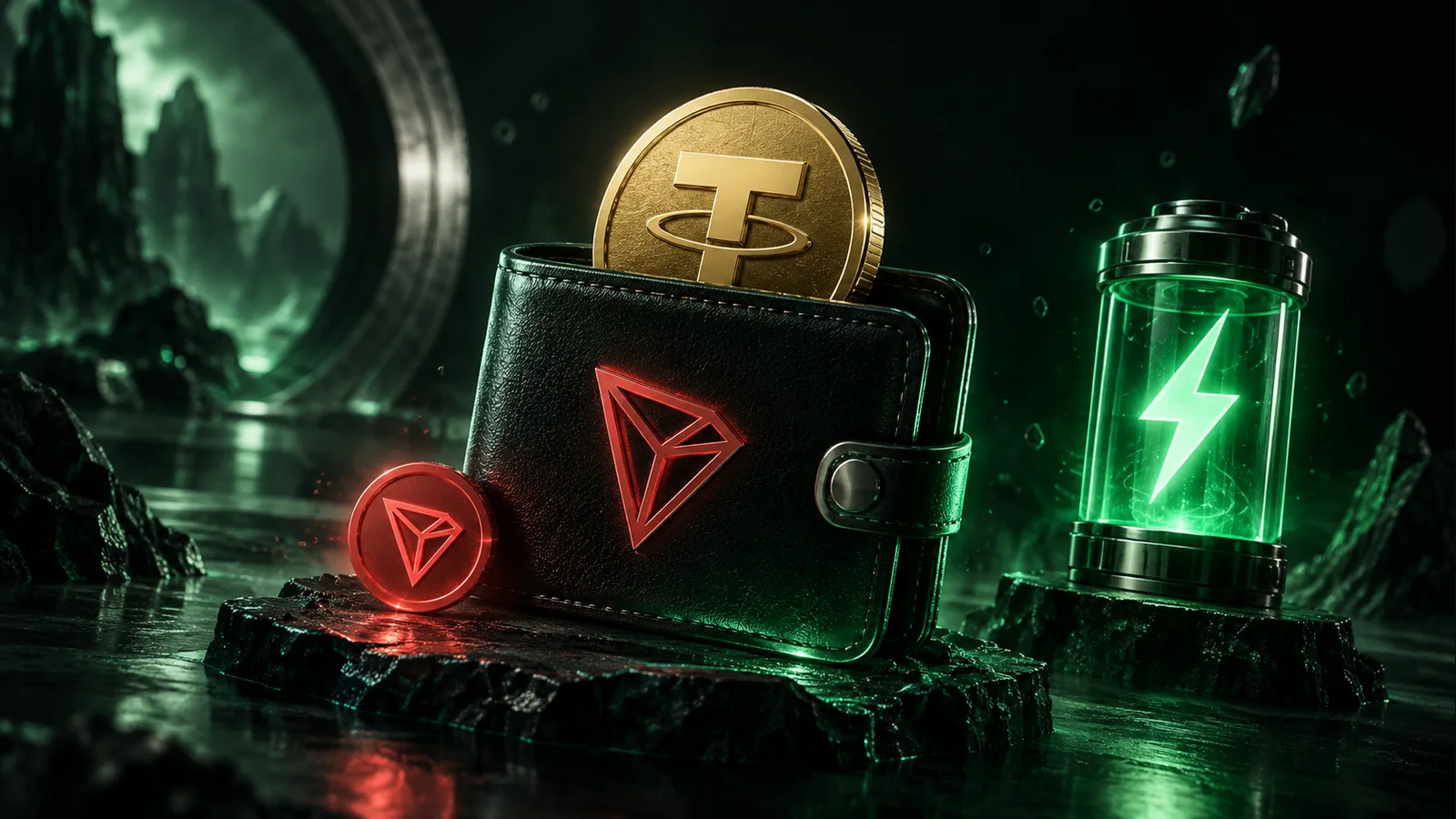
A USDT balance does not automatically pay the network cost of sending it. On TRON, a token transfer needs resources, and a shortfall can require TRX. When a wallet reports insufficient TRX, first identify which address is sending and what the transaction preview actually requires.
Check the network and sending account
Confirm that the asset is USDT TRC-20 on TRON. Energy held on a TRON address does not cover fees for USDT on another chain. Then check the selected sending account: resources on another account in the same wallet app are not automatically shared.
A wallet's total asset value is also different from its available native TRX balance. Staked TRX and pending unstaking funds cannot be spent immediately as a network fee. See how to check a TRON address and its resources.
Separate the resource shortfalls
Energy pays for smart-contract execution, while Bandwidth covers transaction data. USDT is a contract transfer, so inspecting only one resource can miss part of the cost. Read Energy versus Bandwidth if your wallet combines them into a single fee preview.
Check available resources, not only the maximum limits. A high Energy limit can coexist with low currently available Energy after other transactions. Concurrent transfers from the same address can also spend resources between your first estimate and signing.
Choose a way to cover the initial transfer
The practical options depend on what you already have:
- If enough resources are available, review the wallet's new transfer estimate.
- If you have some liquid TRX, compare direct network payment with an Energy rental quote.
- If you rent Energy, deliver it to the address that will send USDT, not the USDT recipient.
- If another wallet pays for rental, explicitly select the correct resource target in the supported rental flow.
- If neither fees nor rental payment can be covered, first arrange a supported way to fund the address.
Use Quick Rent to inspect current packages and payment conditions. Buying resources is a separate transaction or service payment; it should not be assumed free just because its purpose is to reduce later costs.
Why a USDT-to-TRX exchange is not a fee bypass
The TronBid USDT–TRX exchange can replenish native TRX, but you must first send the input USDT. The returned TRX arrives after that transaction, so it cannot fund an initial transfer that your wallet is currently unable to make.
If you can already cover the first transfer with resources or a small TRX reserve, the exchange can prepare you for later activity. Follow the USDT to TRX guide and account for both the sending cost and the displayed exchange minimum.
Recheck before signing
After a top-up or delegation, refresh the account state and reopen the transfer preview. Verify the address, token, amount and estimated fee. Do not assume a resource payment means the resources have already arrived; check the actual delegation.
If a transfer was already broadcast, inspect its result before retrying. A failed contract transaction may have consumed resources. A second attempt based on the old balance can therefore fail again. Use the OUT_OF_ENERGY troubleshooting guide for that case.
Keep a practical record
Save the selected sending address, wallet estimate and TXID if one exists. These details help distinguish a resource shortage from a wallet display problem or a transaction failure. Never provide a seed phrase or private key to support; public transaction and address details are enough to begin investigating.