

USDT TRC-20 vs ERC-20: Choose the Right Network Before an Exchange
USDT can exist on different blockchains. Learn why TRC-20 and ERC-20 are not interchangeable transfer routes and which network TronBid accepts.
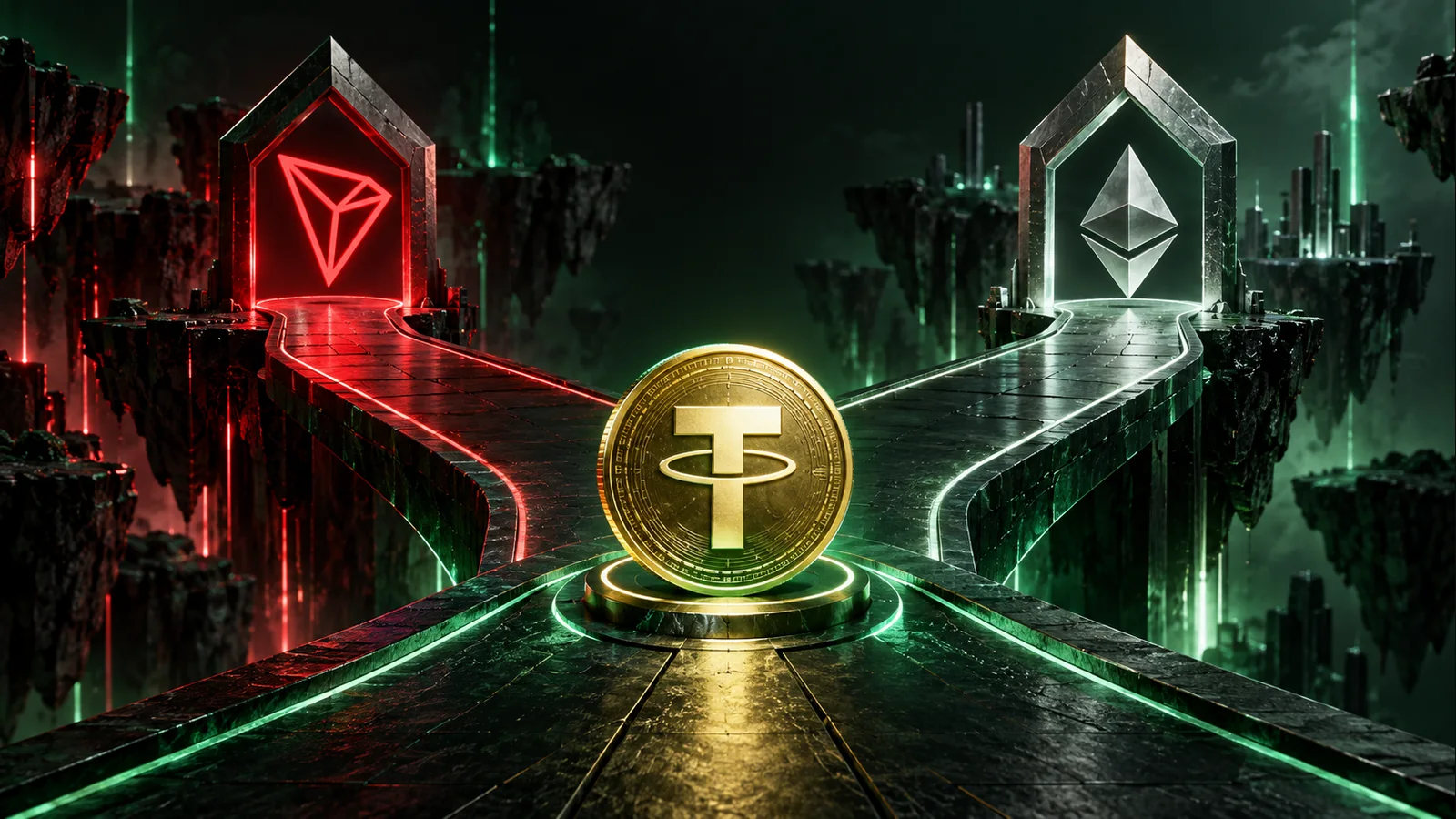
USDT is a token name, while TRC-20 and ERC-20 identify token standards associated with different network environments. Seeing USDT in a wallet does not by itself tell you which chain will carry the transfer. For TronBid's automatic TRX–USDT exchange, use native TRX or USDT TRC-20 on TRON.
Start with the asset's network
Open the token details in the wallet that will send the funds. Check the network as well as the ticker and balance. A wallet can show several assets named USDT under one portfolio, even though their balances live on separate blockchains.
Tether lists the supported networks and contract references in its official protocol information. Use the issuer's listing to identify the token, rather than assuming that a familiar name or icon proves authenticity.
Match the sending and receiving routes
Before an exchange, check three items together: the token, the selected network and the destination service's supported deposit route. All three must agree.
On the TronBid exchange page, USDT means USDT TRC-20 on TRON. An Ethereum USDT balance does not become a TRON balance when you paste a TRON address into a transfer form. A destination address is not a bridge, and this exchange flow is not a general cross-chain transfer service.
An address shape is only an initial clue
A normal TRON address shown to users commonly starts with T. Ethereum addresses are commonly displayed with a 0x prefix. Those patterns can help you notice a mismatch, but they do not verify the intended recipient or prove that a token is genuine.
Always compare the full destination after pasting it. Use the TRON address checklist for format, account and resource checks. The USDT token contract is also different from the exchange's deposit address; learn to separate them in the USDT contract verification guide.
Network fees also depend on the chain
USDT transfers on TRON use TRON's resource system. Energy handles contract execution and Bandwidth covers transaction data; available resources and the operation determine any TRX cost. Resources held on TRON do not pay for an Ethereum transfer.
This is why renting Energy for a TRON wallet cannot fix a fee shortage on another network. First identify where the USDT actually sits, then review the transfer preview for that chain. Do not choose a network solely because its displayed withdrawal fee is lower.
If your USDT is on another network
Keep the funds where they are while choosing a service that explicitly supports both the source and destination networks. Check its conditions and the address you will receive on before making any cross-chain movement. Do not assume every asset carrying the USDT ticker has the same support.
Once genuine USDT TRC-20 is available in your own TRON wallet, follow the USDT to TRX instructions. Send from that wallet itself, because the automatic payout returns to the on-chain sending address.
If you already sent on the wrong network
Save the TXID, source network and destination address. Identify the chain where the transaction actually executed, then contact the receiving service with those details. Do not send a second transfer as an attempted repair.
Recovery depends on the destination, keys and network support; it is not guaranteed. A successful transaction on the source chain does not mean the intended service received a supported deposit. Check the transaction result guide when the transfer was on TRON.